Space Systems & Satellite Technology
Space Systems Engineer
Designs complex space systems — from satellites to crewed habitats — as one whole.
0 of 6 signature competencies evidenced. Ready means Level 3 on each.
Signature competencies
Satellite Systems Understanding
Knowing how satellites are built, what they do and what depends on them.
Not yet evidenced
Systems Prioritisation
Deciding what matters first when systems depend on each other and resources are limited.
Not yet evidenced
Habitat/Life-Support Systems
Keeping humans alive where the environment is trying not to.
Not yet evidenced
Simulation & Model Reasoning
Using models to test decisions before reality does it for you.
Not yet evidenced
Risk Assessment
Weighing likelihood and consequence to decide when and how to act.
Not yet evidenced
Technical Communication
Explaining complex technical decisions clearly to the people who need to act.
Not yet evidenced
Why it matters
Habitats and stations only work when every subsystem is designed with the others in mind.
Technical foundations
- Systems engineering
- Requirements
- Interfaces
Mentors in this field
UNIVAST mentors with experience relevant to becoming a Space Systems Engineer.
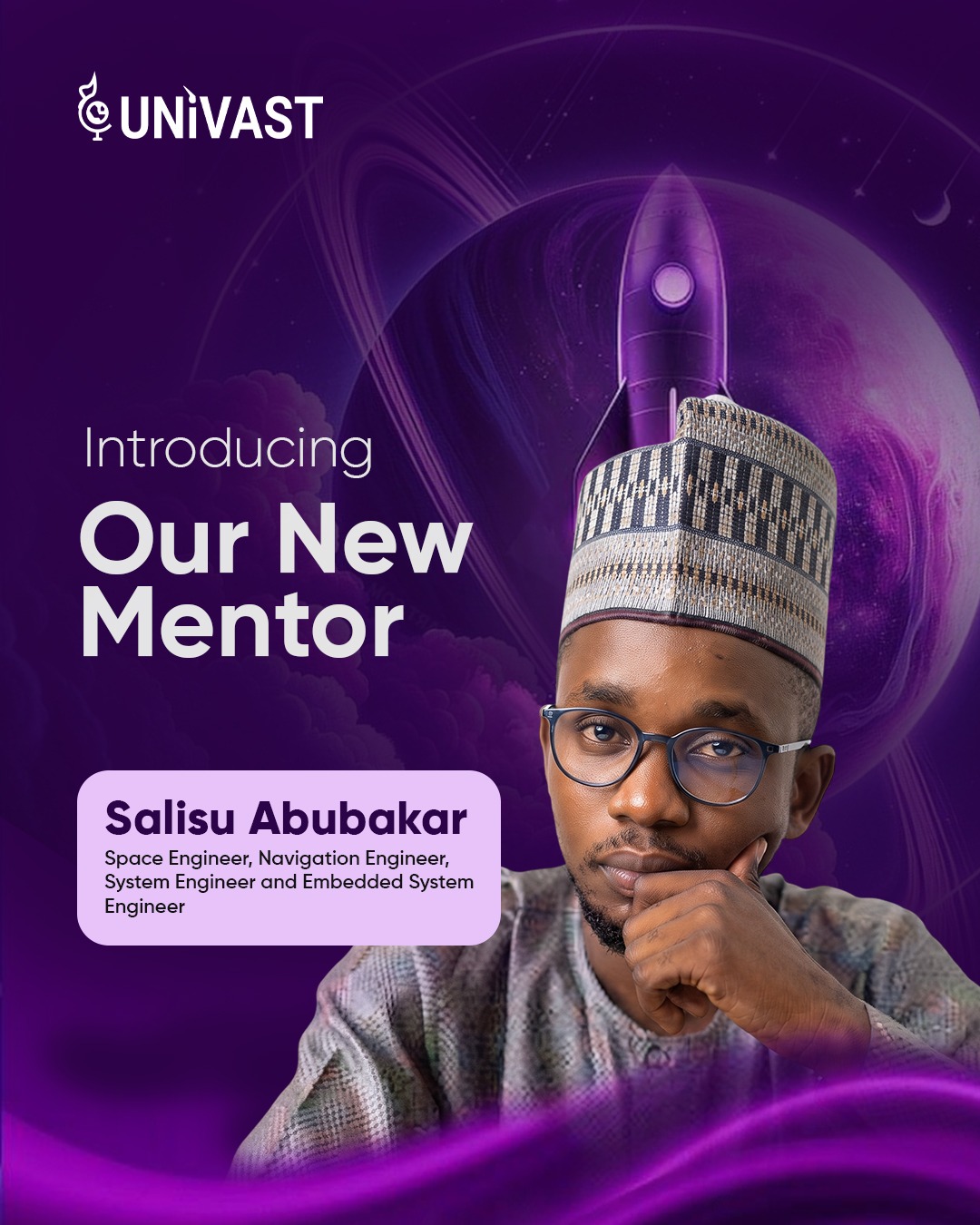
Engineering
Salisu Abubakar
Space Engineer, Navigation Engineer, Systems Engineer and Embedded Systems Engineer
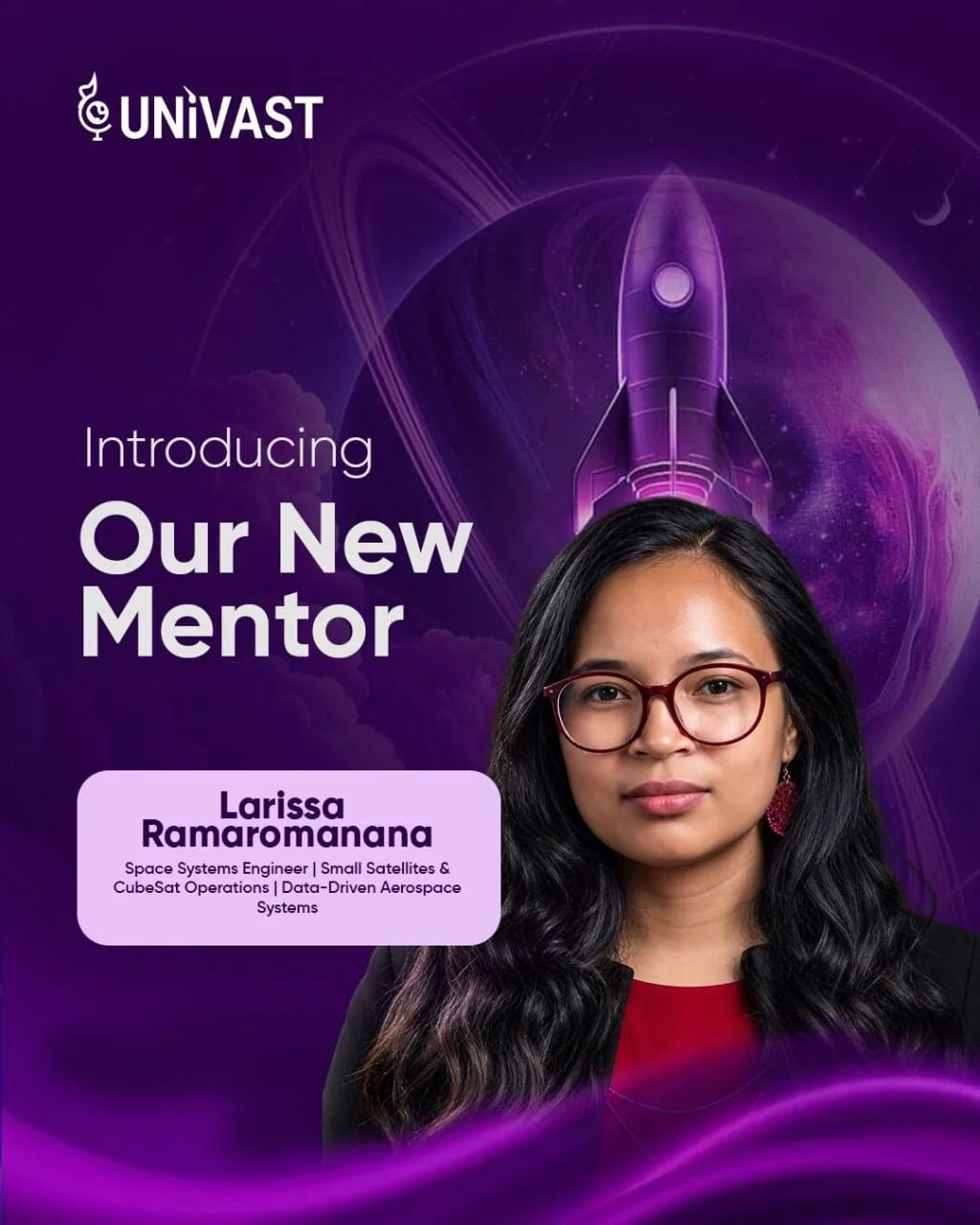
Engineering
Larissa Ramaromanana
Space Systems Engineer: Small Satellites, CubeSat Operations and Data-Driven Aerospace Systems